Showing posts with label global supply chains. Show all posts

Friday, April 04, 2025

Globalization is Not Dead But It's Evolving

©iStock/Wirestock
Get a glimpse of what NY Times columnist Thomas L. Friedman has to say in, "I Just Saw the Future.  It Was Not in America."

It would take years for American car companies to replace the global supply chains they depend on and make everything in America. Even Tesla has to import some parts.

With the new era of protectionism, consumers will pay more and have less choice.  Eliminating foreign competition, well, makes me [Laurel Delaney] think we will each be sewing our own Nike running shoes, if that's your brand. 

Globalization is not dead but it's evolving.

Tuesday, November 15, 2022

Global Supply Chains Have a New Bottom Line

©iStock/trekandshoot
The endless drive to reduce costs by relocating production facilities has resulted in a globalized, vertically integrated, and highly specialized manufacturing model that benefits specific countries and regions. Willingly and consciously, we have created unbridled globalized supply chains that focus on maximizing value.

From economic value to social and environmental values, global supply chains have a new bottom line.  Find out why.

Tuesday, September 13, 2022

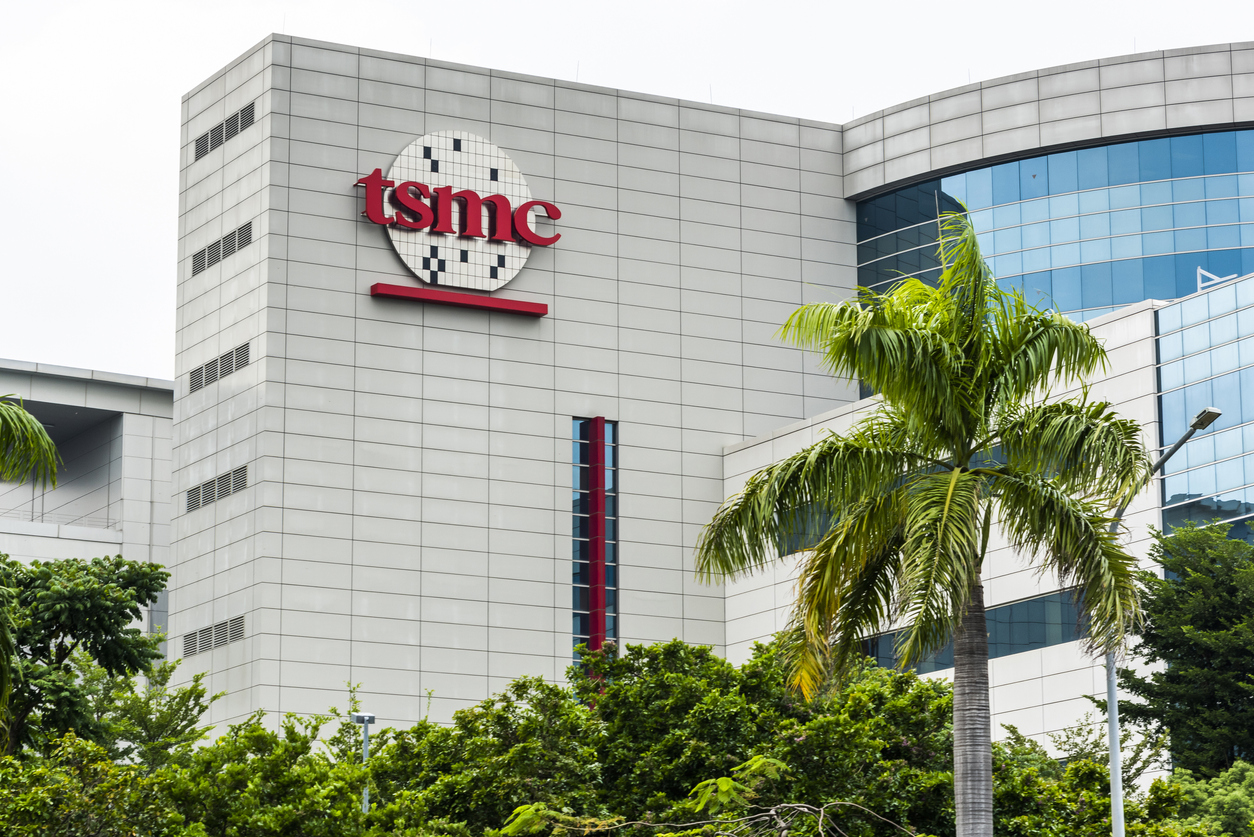
How Would a Chinese Blockade of Taiwan Affect Global Business?

©iStock/Bing-Jhen Hong
A Chinese blockade of Taiwan would cripple global supply chains and raise freight prices in Asia and potentially beyond, because of the outsize role that the island of roughly 23 million people plays in global business.

Here are some questions and answers about the tensions across the Taiwan Strait and the possible fallout on global business should China attempt to blockade the island.

Wednesday, July 13, 2022

Freight Rates Decline, But Not By Much

©iStock/SHansche
Yes, you read that right.  Freight rates decline as demand wavers.  Shippers are trying to reset contract agreements to cut expenses, but costs remain several times higher than before the Covid-19 pandemic.

The reduction in transportation costs is good news for manufacturers and retailers after two years of rapidly rising expenses. It also suggests the contribution of the freight sector to inflation is at least leveling off. But shippers note they are still paying several times more than they did before the Covid-19 pandemic snarled supply chains world-wide.

As one person said:  "We need to be looking at probably less than $10,000 per container to get anywhere close to the levels we were before and be competitive."

Thursday, February 25, 2021

Ensuring a Steady and Secure Global Supply Chain

©iStock/metamorworks
President Joe Biden is looking to work with international partners to ensure a stable and reliable supply chain.  Further, he is preparing to sign an executive order to review U.S. supply chains for large-capacity batteries, pharmaceuticals, critical minerals and semiconductors that power cars, phones, military equipment and other goods.

The United States has become increasingly reliant on imports of these goods - a potential national security and economic risk that the Biden administration hopes to address.

Read more about Biden's review of US supply chains for vital goods.

Tuesday, September 01, 2020

Thinking of Abandoning Globalization? Reconsider.

©iStock/AvigatorPhotographer
The coronavirus pandemic exposed the vulnerability of our global supply chains, interrupting the flow of critical imports into the U.S., and triggering calls for American multinationals to reshore production.
Coming on the heels of the trade war and Washington’s push to de-couple economically from China, this has brought widespread predictions of deglobalization. The U.S. Special Trade Representative even wrote a recent op-ed calling for the end of offshoring.
Ultimately, we will see changes in the way the global economy works.  According to Thomas Hout for HBR, "the fundamentals of our globalized economy — and China’s role within it — will not change."  Here are the four reasons why in his article: Abandoning Globalization Will Only Hurt U.S. Businesses.